Best Emotional Support Animals for Florida Apartments — A Plain-English Lineup
Choosing the right emotional support animal for your Florida apartment isn't just about what makes you happy. You need an animal that thrives in smaller spaces, handles Florida's humid climate, and works within your landlord's reasonable accommodation framework under the Fair Housing Act.
This guide breaks down the most practical ESA options for Florida apartment living. We'll cover temperament, space requirements, care considerations, and how each animal type fits into the state's legal framework. Remember: any legitimate ESA requires a letter from a Florida-licensed mental health professional (per FL Statute 760.27) who determines that an emotional support animal is therapeutically appropriate for your specific mental health needs.
1. Small to Medium Dogs — The Classic Apartment Companions
Dogs remain the most popular ESA choice for good reason. They're naturally attuned to human emotions, highly trainable, and many breeds adapt well to apartment living. For Florida apartments, focus on breeds that handle heat reasonably well and don't require massive exercise requirements.
Cavalier King Charles Spaniels, French Bulldogs, Boston Terriers, and Pugs top many lists for best esa for apartment florida living. These breeds typically weigh under 30 pounds, have moderate exercise needs, and possess calm temperaments that work well in close quarters. Avoid high-energy breeds like Border Collies or Huskies unless you're committed to extensive daily exercise routines.
Practical takeaway: Choose a dog breed that matches your activity level and apartment size. A 20-pound Cavalier King Charles Spaniel will adapt better to a 600-square-foot apartment than a 70-pound Golden Retriever, though individual temperament matters more than breed generalizations. For detailed breed recommendations, check our guide on ESA dogs and Florida's best apartment breeds.
2. Indoor Cats — Low-Maintenance Emotional Support
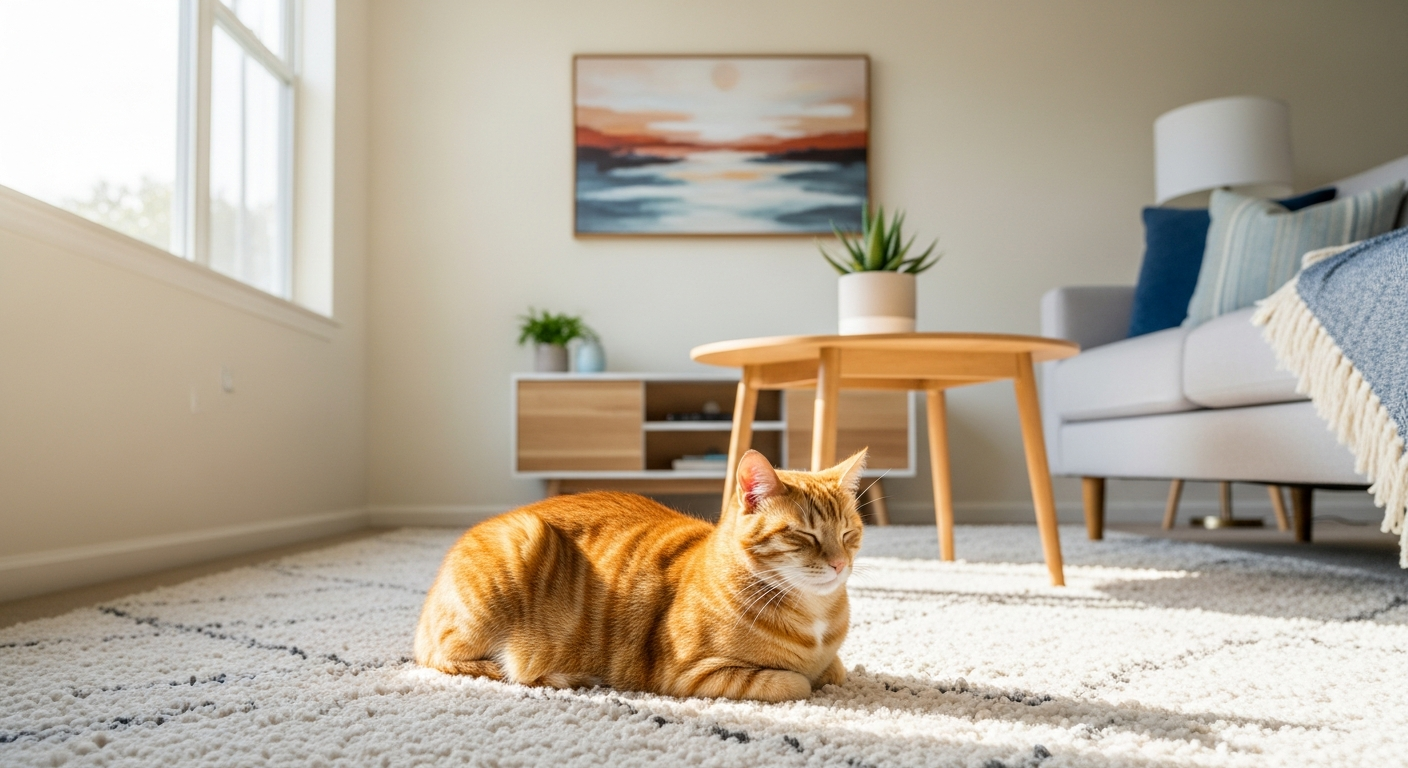
Cats excel as florida apartment friendly esa animals because they're naturally designed for smaller territories. They don't need daily walks, handle Florida's indoor air conditioning well, and provide consistent companionship without overwhelming space requirements. Many cats are content in studio apartments as long as they have vertical space (cat trees, shelves) and mental stimulation.
Indoor cats also simplify landlord relationships. They're quieter than dogs, won't disturb neighbors, and cause less wear-and-tear on apartment fixtures. Plus, they're naturally litter-trained, which eliminates outdoor bathroom needs that can complicate apartment living logistics.
Practical takeaway: Cats work especially well for people with busy schedules or limited mobility. They provide emotional support without demanding the structured exercise routines that dogs require. Our guide to ESA cats as quiet companions covers breed considerations and apartment setup tips.
3. Domestic Rabbits — Surprisingly Apartment-Friendly
Rabbits might surprise you as emotional support animals, but they're gaining popularity for Florida apartment dwellers. They're naturally quiet, don't require walks, and can be litter-trained like cats. Many rabbits enjoy gentle handling and develop strong bonds with their owners, providing consistent emotional comfort.
Space-wise, rabbits need room to hop and stretch but adapt well to apartment living with proper setup. A large exercise pen or rabbit-proofed room gives them adequate space without requiring a backyard. They handle air conditioning well, which is crucial for Florida summers, and their care costs are typically lower than dogs or cats.
Practical takeaway: Rabbits work well for people who want a gentle, quiet emotional support animal but can't accommodate a dog's exercise needs or a cat's climbing requirements. Learn more about rabbits as emotional support animals in Florida, including housing setup and care considerations.
4. Small Birds — Compact Emotional Companions
Cockatiels, budgerigars (parakeets), and canaries can provide meaningful emotional support in minimal space. Birds are naturally social creatures, many species enjoy interaction with their owners, and they adapt well to apartment living with proper cage setup and environmental enrichment.
For Florida apartments, birds offer several advantages: they don't need floor space for exercise, their care requirements are straightforward, and they're not affected by leash laws or pet policies that might complicate dog ownership. Many birds are also naturally active during daylight hours, which aligns well with human schedules.
Practical takeaway: Birds work best for people who enjoy vocal interaction and can provide consistent daily socialization. They need mental stimulation and social contact but don't require the space or exercise commitments of larger animals. Research species-specific needs carefully — some birds live 20+ years and require long-term commitment.
5. Guinea Pigs — Social and Manageable
Guinea pigs are naturally social animals that often do well as emotional support companions. They're small enough for apartment living, relatively easy to care for, and many enjoy gentle handling. Unlike hamsters or other small rodents, guinea pigs are active during both day and night, making them more available for emotional support when needed.
In Florida apartments, guinea pigs handle air conditioning well and don't require outdoor access. They do need companionship — either from their owner or another guinea pig — and benefit from structured daily interaction. Their space requirements are modest: a large cage or pen setup works well in most apartments.
Practical takeaway: Guinea pigs suit people who want a smaller emotional support animal that still provides interactive companionship. They're less independent than cats but require less training and exercise than dogs. Consider adopting a bonded pair if you have adequate space and time for care.
6. Ferrets — Playful Apartment Adaptors
Ferrets are increasingly recognized as affordable esa animals florida residents because they combine dog-like playfulness with cat-like independence. They're naturally social, enjoy interaction with owners, and adapt well to apartment living when given adequate exercise and mental stimulation.
Space-wise, ferrets need room to explore and play but don't require outdoor access. Many ferret owners create "ferret-proof" rooms or use large multi-level cages. They sleep 18-20 hours per day, which works well for working owners, and they can be trained to use litter boxes like cats.
Practical takeaway: Ferrets work best for active people who enjoy playful interaction but can't accommodate a dog's exercise requirements. They need ferret-proofing (they're escape artists) and specialized veterinary care, so research local exotic animal vets before adopting.
7. Fish — Calming Visual Companions
While fish don't provide tactile comfort like dogs or cats, many people find aquarium-keeping deeply therapeutic. Watching fish swim can reduce stress and anxiety, and maintaining an aquarium provides structure and routine that benefits many mental health conditions.
For Florida apartments, fish offer maximum convenience: no noise complaints, minimal space requirements, and no exercise needs. Freshwater fish are generally easier for beginners, and modern aquarium equipment makes maintenance straightforward. A well-maintained aquarium also improves apartment ambiance and air quality.
Practical takeaway: Fish work well for people who find routine care activities therapeutic and enjoy visual relaxation. Start with hardy freshwater species like bettas or goldfish. Factor in electricity costs for heating, filtration, and lighting when budgeting for aquarium setup.
Understanding Florida's ESA Housing Laws
Before choosing any emotional support animal, understand Florida's specific legal framework. FL Statute 760.27 requires that ESA letters be issued by mental health professionals licensed in Florida (or who have an established prior in-person relationship with the client). Online-only out-of-state providers cannot issue valid Florida ESA letters.
Under federal Fair Housing Act protections, landlords must provide reasonable accommodations for ESAs, even in "no pets" properties. However, the accommodation must be reasonable — a Great Dane in a studio apartment might not qualify, while a 15-pound dog or indoor cat typically would. Your ESA letter must demonstrate that the animal provides emotional support related to your specific mental health needs.
Practical takeaway: Choose an animal that's genuinely therapeutic for your mental health condition and practical for your living situation. For detailed information about housing protections, review our guide on Florida ESA housing letters and FHA protections.
Training and Preparation Considerations
Regardless of which animal you choose, proper preparation improves both your experience and your landlord relationship. ESAs don't need the extensive training required for service animals, but basic manners and house-training make apartment living smoother for everyone involved.
For dogs, focus on house-training, basic commands (sit, stay, quiet), and leash manners. Cats should be litter-trained and socialized to apartment living. Smaller animals need proper housing setup and handling training. The goal isn't perfect behavior — it's reasonable apartment citizenship that won't create problems with neighbors or property management.
Practical takeaway: Invest time in basic training and preparation before moving into your apartment. A well-behaved ESA strengthens your case for reasonable accommodation and prevents problems that could jeopardize your housing. Our ESA training basics guide covers essential preparation steps for Florida residents.
Cost Considerations for Florida ESA Owners
Beyond the ESA letter itself, factor in ongoing costs when choosing your emotional support animal. Veterinary care, food, supplies, and potential apartment deposits (where legally allowed) add up quickly. In Florida, exotic animal veterinary care can be expensive and limited, so research local options before committing to birds, rabbits, or ferrets.
Some apartments may require additional security deposits for ESAs, though this varies by situation and local interpretation of FHA guidelines. Budget for initial setup costs (cages, litter boxes, food dishes) plus monthly ongoing expenses. Preventive veterinary care typically costs less than emergency treatment, so factor in regular checkups and vaccinations.
Practical takeaway: Choose an animal that fits both your emotional needs and your budget. A $500 initial cost for an ESA letter and supplies is meaningless if you can't afford $200/month in ongoing care expenses. Research local veterinary costs for your chosen animal type before making final decisions.
Next Steps for Florida ESA Seekers
Once you've identified the right emotional support animal for your situation, the next step is obtaining a valid ESA letter from a Florida-licensed mental health professional. Remember that FL Statute 760.27 requires the clinician to be licensed in Florida or to have an established prior in-person relationship with you.
A legitimate evaluation takes time. Licensed clinicians must assess whether an emotional support animal is therapeutically appropriate for your specific mental health needs. Avoid services promising "instant letters" or "guaranteed approval" — these are red flags indicating potential scams that could leave you with worthless documentation.
Practical takeaway: Start the ESA letter process early, especially if you have moving deadlines. Legitimate evaluations require time for proper assessment. Research your chosen animal's care requirements, local veterinary options, and apartment policies before committing.
Important Disclaimers and Legal Information
This article provides informational content only and does not constitute medical, mental health, or legal advice. ESA determinations must be made by qualified Florida-licensed mental health professionals based on individual assessment of your specific mental health needs. For housing disputes or FHA interpretation questions, consult a Florida-licensed attorney.
ESA letters do not provide airline travel accommodations — the Department of Transportation removed ESAs from Air Carrier Access Act protections in 2021. Airlines now treat ESAs as regular pets subject to standard pet policies and fees.
Always verify current federal and state regulations, as laws may change. Consult qualified professionals for medical, mental health, and legal guidance specific to your situation.
Ready to start your Florida ESA letter?
Licensed Florida clinician review. Compliant with state law.
Start My Florida ESA Letter